
In West Kalimantan, on the Indonesian side of Borneo, Forest Wise has spent years working with Indigenous Dayak communities to create livelihoods from the rainforest without cutting it down.
Today, that work feels especially urgen
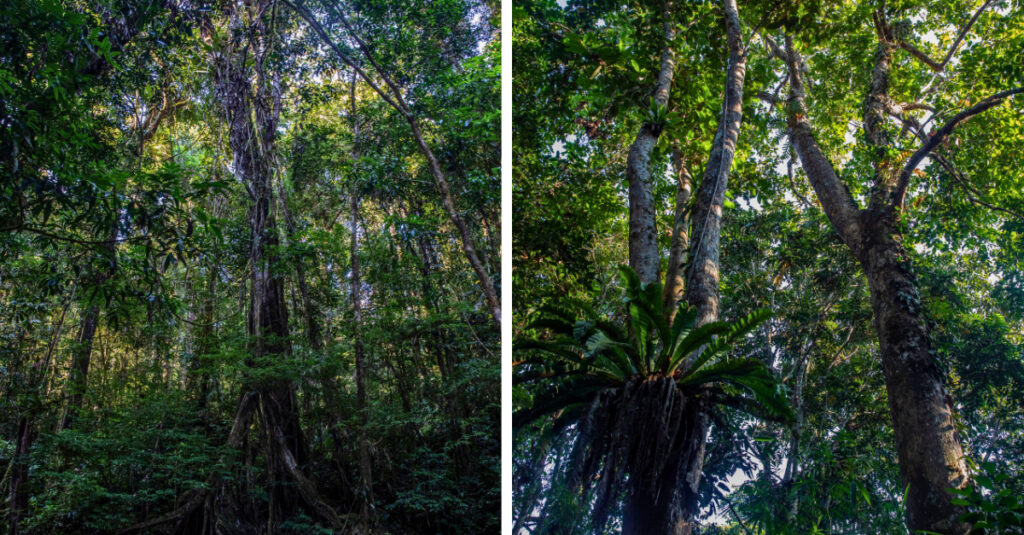
El Niño is hitting West Kalimantan hard. Prolonged drought has left forests and peatlands dangerously dry, fueling wildfires across the region. Near Sintang, where Forest Wise operates its processing facility, smoke has filled the air for weeks.
Forest Wise CEO Dirk-Jan Oudshoorn recently shared what this looks like on the ground:
“The fires aren’t just a natural disaster—they are a man-made crisis. Decades of deforestation for logging, mining, and palm oil have stripped the land of its natural resilience.”
Dirk describes wells running dry, exceptionally low water levels disrupting transportation along the Kapuas River, Indonesia’s longest river, and price increases in communities further inland. For him, it is also a stark reminder of the connection between climate change and the urgent need to conserve and restore rainforests.
Healthy rainforests are among our most important natural carbon sinks, keeping vast amounts of carbon stored in trees and soils rather than in the atmosphere. They also hold moisture and help landscapes withstand periods of drought.
But protecting them requires more than recognizing their environmental value. Forests need to create value for the people who live in and around them.
That is where Forest Wise comes in.
Founded as a social enterprise in 2018, Forest Wise works with Dayak communities to create economic value from sustainably harvested rainforest products and connect them with global markets. Its products include illipe butter, virgin coconut oil, and Arenga sugar.
One of the most important is the illipe nut, harvested from native tengkawang trees. These trees have been part of Dayak forest life for generations, with harvesting knowledge and customary practices passed down over time. The nuts are processed into illipe butter, a natural ingredient used by food and cosmetics companies.
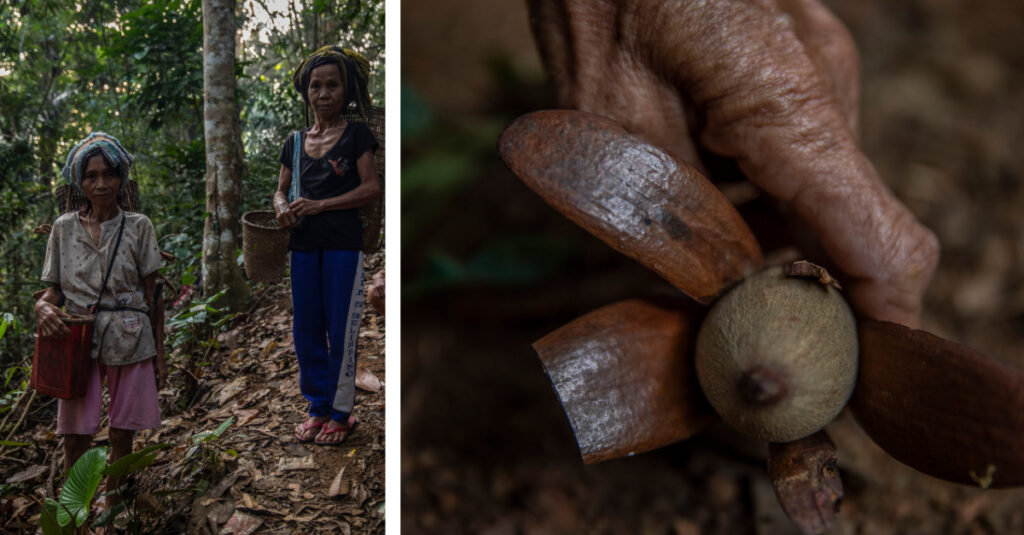
Forest Wise pays premium prices for these products, creating an additional source of income from standing forests. Today, its network sources from more than 200,000 hectares of rainforest.
As Dirk explains:
“This way, the rainforest becomes more economically valuable than replacing the rainforest with a monoculture plantation.”
Beneficial Returns first supported Forest Wise through The Reciprocity Fund, which provides financing to enterprises serving Indigenous communities. As the company grew and its financing needs increased, Beneficial Returns provided two additional loans totaling $350,000 to help finance its illipe harvests.
Today, communities across West Kalimantan are planting native tengkawang trees again. These trees can live for more than a century—a long-term investment in both the forest and the generations that will depend on it.
Watch The Value of a Tree, a beautiful short video produced by Forest Wise, to see this relationship between communities and the rainforest firsthand.
By creating economic opportunity from standing forests, Forest Wise is demonstrating a practical way to connect livelihoods, forest conservation, and long-term climate resilience—helping ensure that the value of these forests can continue to be passed from one generation to the next.